
Posture Correction Online: What's Actually Possible Without Hands-On Treatment
Many people assume posture can only be corrected with in-person manual therapy. The truth is more nuanced — and more useful for anyone living abroad.
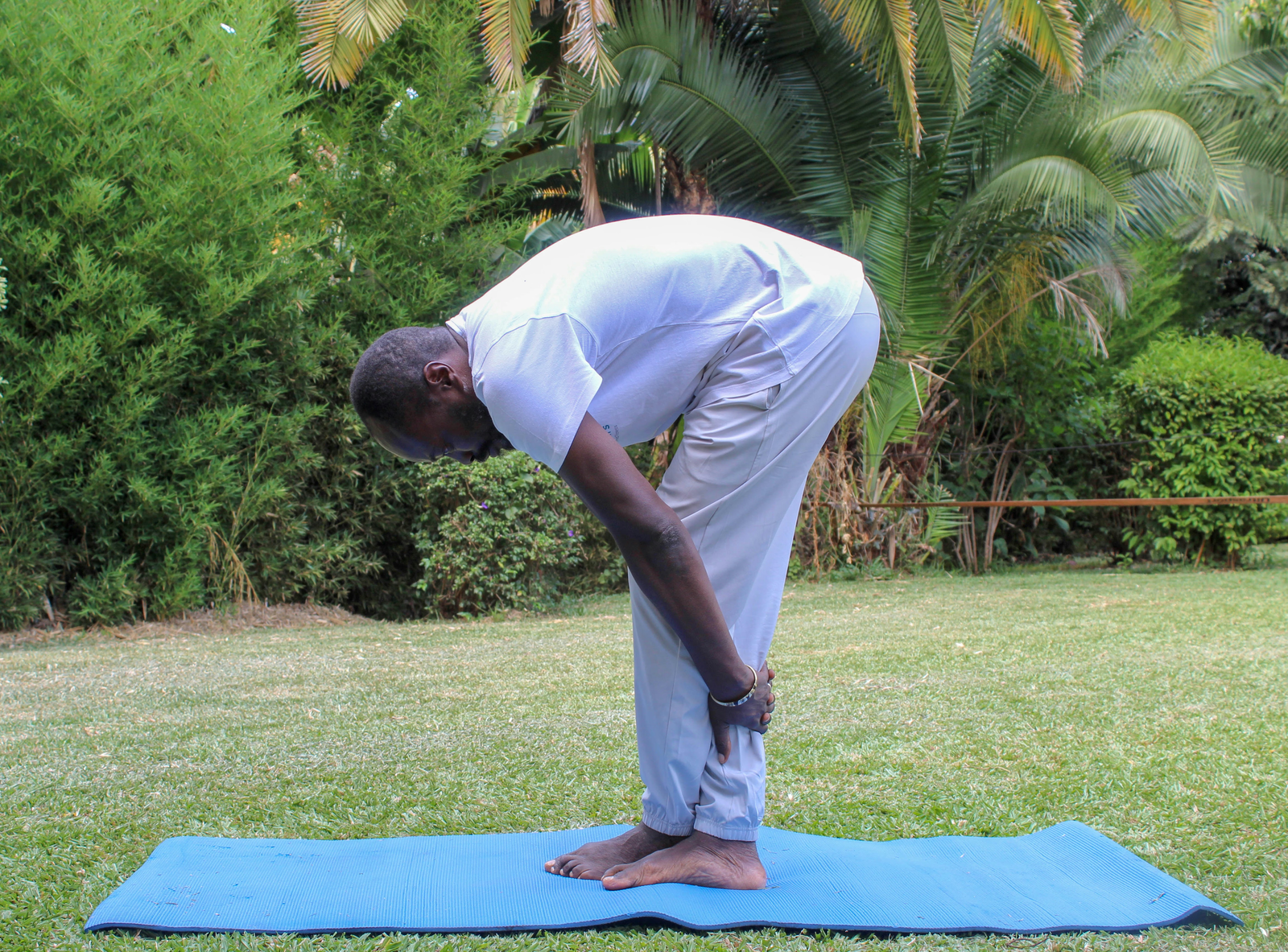
The phrase "posture correction" gets thrown around a lot. It's on posture brace advertisements, on YouTube videos with millions of views, and in the marketing of every product from standing desks to lumbar supports. Most of it misses the point.
What posture correction actually means
Your posture is not fixed. It's a habitual pattern — your body's learned default position based on how you spend most of your time. Correcting posture means changing those habits, and that requires two things:
- Understanding which specific patterns are causing your problems
- Building the muscular strength and control to hold better positions automatically
Neither of these requires hands-on treatment. They require assessment, education, and progressive exercise.
What manual therapy adds (and what it doesn't)
Hands-on manual therapy — joint mobilisation, massage, dry needling — can reduce pain and improve range of motion in the short term. But it doesn't retrain movement patterns on its own. Someone can mobilise your thoracic spine in a clinic and you'll feel looser for 24 hours, then tighten back up because nothing in your movement habits changed.
Remote physiotherapy focuses on the piece that actually creates lasting change: the exercise and habit component.
What we assess online
In a remote assessment, we observe your seated and standing posture via camera, screen your movement patterns (squatting, hinging, shoulder mobility), and ask about your daily environment. From that, we can identify the primary drivers of your posture issues and build a targeted programme.
Realistic timelines
Meaningful postural improvement — reduced pain, better resting position, stronger supporting muscles — typically takes 6–12 weeks of consistent work. The first two weeks you may feel worse before you feel better, as underused muscles activate. By week four most people notice a clear difference.
You don't need to be in Nairobi to start. Book a remote postural assessment and we'll show you exactly where you are and where you can get to.
Ready to
get started?
Take the free posture screen — instant results — or book directly with our team in Nairobi.
Keep going.
Online Physiotherapy for Kenyans in the Diaspora: How Remote Sessions Work
Living abroad doesn't mean living with unresolved pain. Here's how Kenyans in the UK, US, Canada, and Australia are accessing …
Read →
Lower Back Pain That Won't Go Away: Why It Keeps Coming Back and What Finally Fixes It
If your lower back pain disappears and returns on a predictable cycle, the problem is not the flare-up — it …
Read →
Sole to Soil: Why Foot Health Matters More When You Live Abroad
Kenyans living in colder climates often spend years in stiff, enclosed footwear. What this does to your feet — and …
Read →