

What Is Corrective Exercise Therapy? A Guide for Nairobi Professionals
If you have tried physio, massage, and the gym but the pain keeps coming back, you have probably never been introduced to corrective exercise therapy. Here is what it is, how it works, and who it is for.
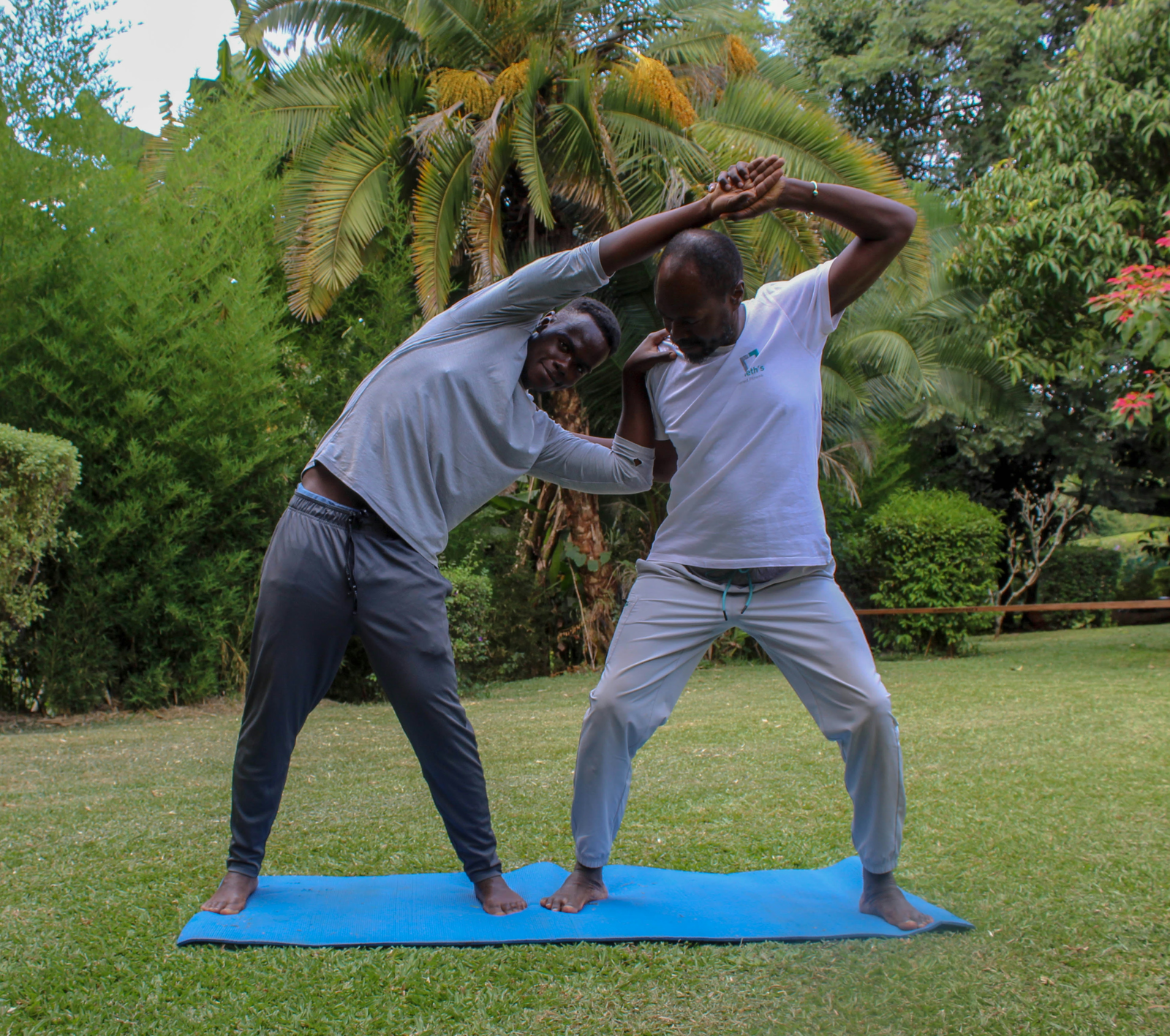
Most people in Nairobi searching for answers to chronic pain end up in one of three places: a physiotherapist, a massage therapist, or a gym. Each has its place — but none is designed to address the movement patterns that caused the pain in the first place. That gap is where corrective exercise therapy lives.
The definition
Corrective exercise therapy is a specialist, clinical-grade approach to identifying and fixing the root-cause movement dysfunctions behind posture problems, joint pain, and recurring injury. It combines assessment (how you move), analysis (what is breaking down), and progressive exercise protocols (how we fix it) into a structured programme.
How it differs from physio, massage, and general fitness
- Physiotherapy typically treats a specific injury or condition. Once you are out of acute pain, treatment usually ends. Corrective work starts where physio leaves off — addressing why the injury happened and making sure it does not return.
- Massage therapy provides short-term relief from tight tissue. It does not change the movement pattern creating the tightness. Without corrective work, the tension comes back within days.
- General fitness adds load to whatever movement patterns you arrive with — including dysfunctional ones. A squat with poor hip mechanics done 100 times is a squat that reinforces 100 repetitions of poor mechanics.
Who it is for
Corrective exercise therapy serves three main groups: (1) people managing chronic pain that has not resolved with other approaches; (2) active people or athletes returning from injury who want to prevent recurrence; (3) desk-bound professionals whose posture is already costing them. If any of these sound like you, book a postural assessment — it is the entry point to everything else.
What a programme looks like
Typical pathway: assessment (60 minutes) → programme design based on findings → 1-to-1 sessions or hybrid (clinic + video library) → progress reviews every 4–6 weeks. Most clients see measurable change within 6–8 weeks. Lasting structural change takes 3–6 months.
Ready to
get started?
Take the free posture screen — instant results — or book directly with our team in Nairobi.
Keep going.
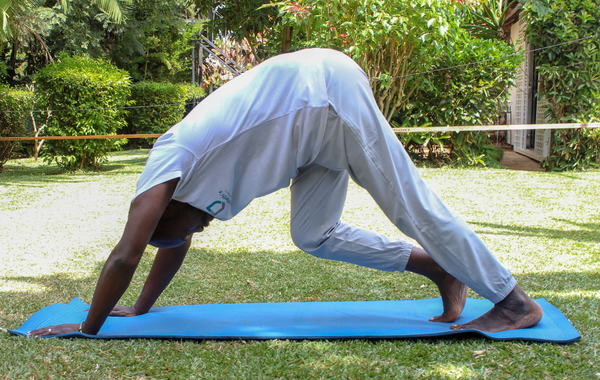
What Is Corrective Exercise? The Nairobi Guide to Pain-Free Movement
Corrective exercise is not the same as physiotherapy, personal training, or yoga. Here is what it actually is, what it …
Read →
Lower Back Pain That Won't Go Away: Why It Keeps Coming Back and What Finally Fixes It
If your lower back pain disappears and returns on a predictable cycle, the problem is not the flare-up — it …
Read →
The Best and Worst Exercises for Back Pain (Ranked by a Corrective Therapist)
Not all exercise helps back pain. Some of the most commonly recommended movements make the underlying pattern worse. Here is …
Read →