
What to Expect at Your First Wellness Solutions Session
First-time clients often arrive unsure of what to expect. Here is a clear walkthrough of what actually happens — so you can show up prepared and get the most out of it.
It starts before you arrive
Before your first session, you will complete a short intake form covering your health history, current symptoms, movement complaints, and goals. This is not admin for its own sake — it gives your practitioner context so they can design your assessment rather than improvise it.
The movement and postural assessment
The first part of your session is an assessment, not a workout. Your practitioner will take you through a series of movement screens designed to identify:
- Where your posture deviates from neutral alignment
- Which joints have restricted mobility
- Which muscle groups are overactive and dominant
- Which muscle groups are inhibited and underperforming
- How your body moves under basic load
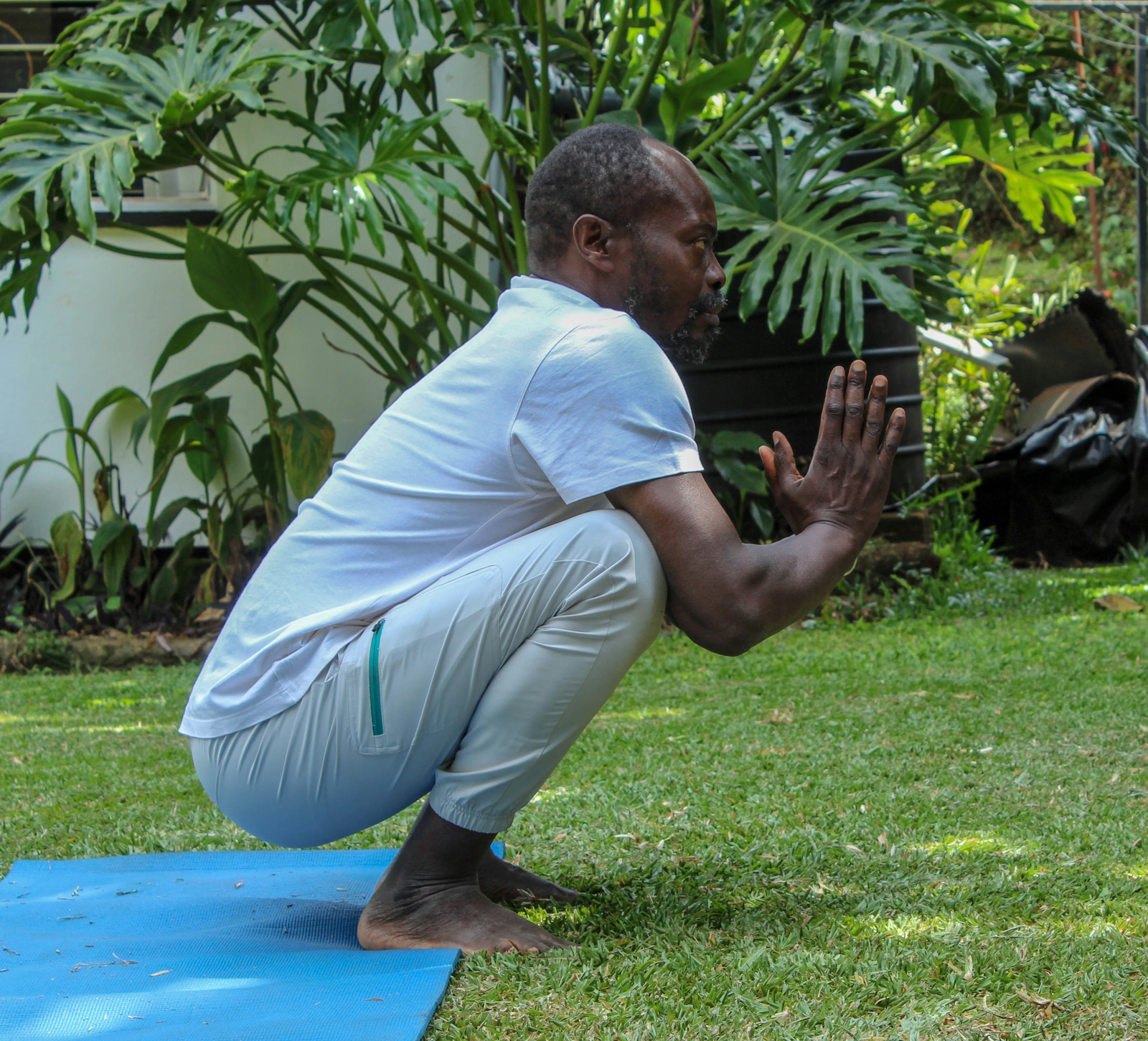
This typically takes 20 to 30 minutes and involves movements like standing, squatting, hinging, overhead reaches, and lying assessments. You do not need to be fit to do this — the point is to observe, not to perform.
The findings conversation
Once the assessment is complete, your practitioner will explain what they found in plain language. Not medical jargon. They will show you where your compensation patterns are, why they are causing your symptoms, and what the corrective process looks like.
This conversation matters. Understanding the why behind your programme dramatically improves adherence and outcomes.
The first corrective session
Depending on time, your first corrective work may happen in the same appointment or in a follow-up session. It will typically include:
- Soft tissue work to reduce overactive muscle tension
- Mobility drills for restricted joints
- Activation exercises for inhibited muscle groups
- An initial movement pattern to begin reprogramming
You will also leave with a short home programme — usually two or three exercises — to do between sessions. Consistency between appointments is where most of the progress happens.
What to bring and wear
Wear comfortable clothing you can move in. Bring any relevant medical imaging (X-rays, MRI reports) if you have them — they are useful context but not required. Arrive five minutes early so you are not rushing into the assessment.
Most importantly: come with your actual symptoms and honest answers. The assessment is only as useful as the information it works with.
Ready to
get started?
Take the free posture screen — instant results — or book directly with our team in Nairobi.
Keep going.
What Is Corrective Exercise? The Nairobi Guide to Pain-Free Movement
Corrective exercise is not the same as physiotherapy, personal training, or yoga. Here is what it actually is, what it …
Read →
The Corrective Wellness Case for Moving Outdoors
Urban professionals in Nairobi spend most of their lives in chairs, cars, and conditioned air. Here is what leaving the …
Read →
What Is Corrective Exercise Therapy? A Guide for Nairobi Professionals
If you have tried physio, massage, and the gym but the pain keeps coming back, you have probably never been …
Read →